
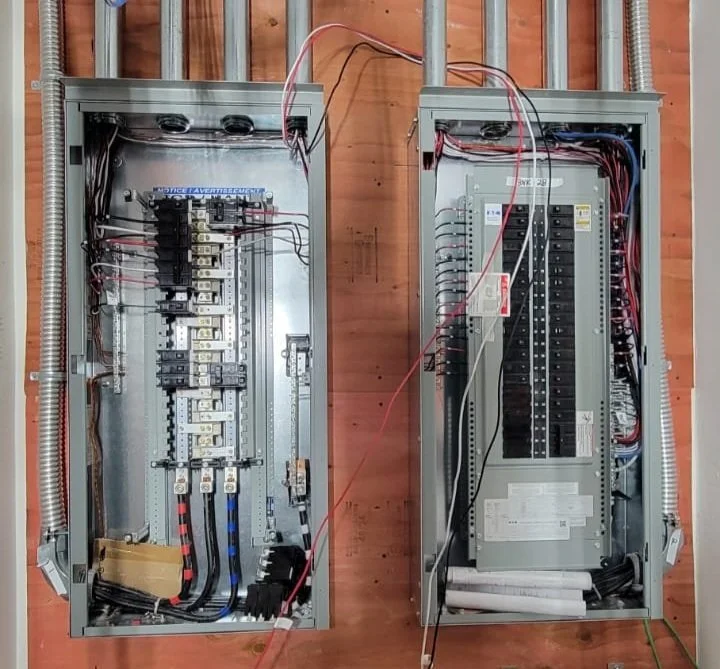
Signs Your Commercial Electrical System Is Overloaded
January 26, 2026
An overloaded electrical system is one of the most common and dangerous issues in commercial buildings. From offices and retail spaces to warehouses and industrial facilities, electrical demand has increased significantly over the years. Unfortunately, many buildings were never designed to handle today’s power requirements.
Recognizing the warning signs early can prevent downtime, equipment damage, and serious safety hazards.
At Lynn Electric, overloaded systems are one of the top issues discovered during commercial electrical inspections.
What Does “Electrical Overload” Mean?
An electrical overload occurs when a system is required to deliver more power than it was designed to handle. This often happens when new equipment, lighting, or technology is added without upgrading the underlying electrical infrastructure.
Over time, this strain leads to overheating, breaker failures, and increased fire risk.
7 Common Signs Your Commercial Electrical System Is Overloaded
1. Frequently Tripping Breakers
If breakers trip regularly, it’s not an inconvenience it’s a warning. Breakers are designed to shut off power when circuits are overloaded to prevent damage or fire.
Repeated tripping usually means the circuit load exceeds safe limits.
2. Flickering or Dimming Lights
Lights that flicker, dim, or fluctuate especially when equipment turns on often indicate insufficient electrical capacity or unbalanced loads.
This is common in buildings that have added machinery, servers, or high-draw equipment.
3. Warm Electrical Panels or Outlets
Electrical panels, breakers, or outlets that feel warm to the touch are a serious red flag. Heat buildup is a clear sign of overloaded circuits or loose connections.
This condition should be addressed immediately.
4. Buzzing or Humming Sounds
Electrical systems should operate silently. Buzzing or humming from panels, outlets, or fixtures may indicate excessive current flow or failing components caused by overload.
5. Burning Smells or Discolored Components
A burning odor or visible discoloration around outlets, panels, or wiring is a sign of overheating insulation or arcing both commonly linked to overloaded systems.
This requires immediate professional attention.
6. Limited Capacity for New Equipment
If your facility can’t add new equipment without issues or requires constant workarounds it’s likely operating at or beyond capacity.
This is especially common in growing businesses and tenant-finish projects.
7. Unexpected Equipment Shutdowns
Sensitive equipment shutting down unexpectedly may be reacting to voltage drops or unstable power caused by overloaded circuits.
Beyond productivity loss, this can shorten equipment lifespan.
Why Overloaded Electrical Systems Are a Serious Risk
An overloaded system increases the risk of:
- Electrical fires
- Unplanned downtime
- Equipment failure
- Code violations
- Insurance and liability issues
Many commercial electrical fires start long before flames appear often with years of unnoticed overload stress.
How Overload Issues Are Identified
A professional commercial electrician can evaluate:
- Panel and breaker capacity
- Circuit load distribution
- Phase balance
- Power quality and demand
Load calculations and inspections provide clarity on whether your system can safely support current and future operations.
When to Consider an Electrical Upgrade
You should strongly consider an upgrade if:
- Your building is over 15–20 years old
- You’ve added new equipment or technology
- Breakers trip regularly
- You’re planning an expansion or tenant improvement
Upgrading panels, redistributing loads, or modernizing infrastructure can dramatically improve safety and reliability.
Proactive Planning Saves Money
Addressing overload issues early:
- Reduces emergency repair costs
- Prevents downtime
- Extends equipment life
- Supports future growth
Preventative upgrades are far more cost-effective than reactive fixes.
Protect Your Facility Before Problems Escalate
If your building shows any of these warning signs, a professional evaluation can identify risks before they become emergencies. Ensuring your electrical system is properly sized and balanced protects both people and operations.



Need Help or have a Question?
Fill out the form and a service member will be in contact with you shortly.


