
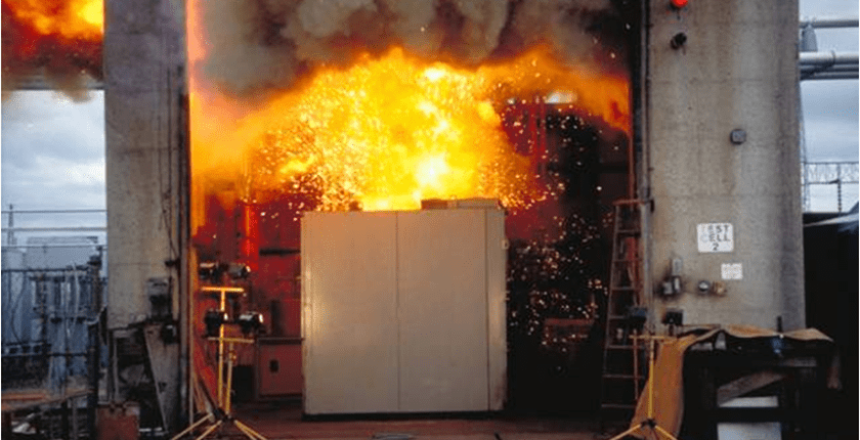
Arc Flash Hazards in Industrial Facilities and How to Reduce Risk
January 26, 2026
Arc flash incidents are among the most dangerous electrical hazards in industrial environments. Understanding and mitigating these risks is essential for worker safety and regulatory compliance.
What Is an Arc Flash?
An arc flash occurs when electrical energy discharges through the air due to a fault. This can result in:
- Extreme heat
- Intense light
- Pressure waves
Temperatures can exceed 35,000°F in a fraction of a second.
Why Industrial Facilities Are High-Risk
Industrial environments often involve:
- High-voltage systems
- Large motors and machinery
- Complex electrical distribution
This increases both the likelihood and severity of arc flash incidents.
Common Causes of Arc Flash Events
- Improper maintenance
- Equipment failure
- Loose connections
- Human error during servicing
Many incidents occur during routine work.
How to Reduce Arc Flash Risk
Effective mitigation includes:
- Regular electrical inspections
- Proper equipment labeling
- Arc flash studies and risk assessments
- Use of appropriate PPE
- Lockout/tagout procedures
Prevention starts with system awareness.
Compliance & Liability Considerations
Failing to address arc flash risks can lead to:
- Serious injuries or fatalities
- Regulatory penalties
- Increased insurance costs
Proactive safety planning protects both employees and the business.
The Role of Preventative Maintenance
Routine maintenance helps identify:
- Degraded components
- Overloaded circuits
- Unsafe working conditions
Addressing these issues early significantly reduces risk.


Need Help or have a Question?
Fill out the form and a service member will be in contact with you shortly.


