
Whole-Home Surge Protection: What Kansas City Homeowners Should Know
October 12, 2026
Your home’s electrical system now supports much more than lights and a television. Computers, appliance controls, networking equipment, and other electronics all depend on reliable power. Whole-home surge protection is one option to discuss when reviewing how those devices are protected.
For Kansas City and Lawrence homeowners, the useful first step is an assessment of the existing electrical system and the equipment that matters most. Lynn Electric’s residential electricians can help you discuss an appropriate scope of work rather than choose a device based on a label alone.
What is an electrical surge?
The Electrical Safety Foundation’s surge protection resources describe surges as brief overvoltage disturbances that can damage or degrade electronic equipment. A surge is different from a power outage: one concerns a voltage disturbance, while the other is a loss of supply.
The distinction matters when planning a project. Protection against a surge does not provide backup electricity during an outage. If your main concern is keeping essential equipment operating without utility power, bring that separate goal to the electrical consultation.
Whole-home protection and plug-in protection serve different roles
A hardwired surge protective device is installed as part of the home’s electrical system by a qualified electrician. A plug-in surge protector serves the equipment connected to it. The NEMA Surge Protection Institute’s residential guidance covers both hardwired and plug-in devices for home electronics and appliances.
A standard power strip should not be assumed to offer surge suppression. Check the product information, and ask your electrician whether point-of-use protection should be part of the plan for sensitive equipment. A useful proposal explains what each device is intended to protect and how the parts work together.
Understand the limits before you buy
Surge protection reduces a particular electrical risk; it does not guarantee that equipment can never fail. NEMA’s surge protection overview explains that power strips and surge protectors are different products and cautions that surge protection cannot handle a direct lightning strike.
Do not use a new protective device as a substitute for diagnosing existing warning signs. Frequent breaker trips, damaged receptacles, or unexplained electrical problems deserve their own evaluation. Tell the electrician about them before approving an installation.
Ask these questions during the assessment
- Is the proposed device compatible with my electrical system?
- Where will it be installed, and what equipment will it serve?
- Does the project require other electrical repairs first?
- Should computers, televisions, or network equipment also have plug-in protection?
- How will I know whether the protective device needs attention or replacement?
- What permits, inspections, and local requirements apply to this installation?
Local requirements depend on the property and jurisdiction. Ask the electrician to identify the requirements for your address instead of relying on a general statement about every home in the metro.
Compare the full installation scope
Bring a list of important electronics and any planned changes, such as a home office or appliance replacement. Ask for an estimate that identifies the equipment, installation work, any related repairs, and the maintenance instructions you will receive afterward.
This is also a good time to discuss access to the panel and scheduling. Keep the project focused on the outcome you want, and make sure the proposal explains the limitations as clearly as the benefits.
Plan surge protection with Lynn Electric
Ready to evaluate your options? Request an electrical estimate or schedule a service with Lynn Electric. Call 913-400-0022 for Kansas City or 785-843-5079 for Lawrence to discuss your home and project.
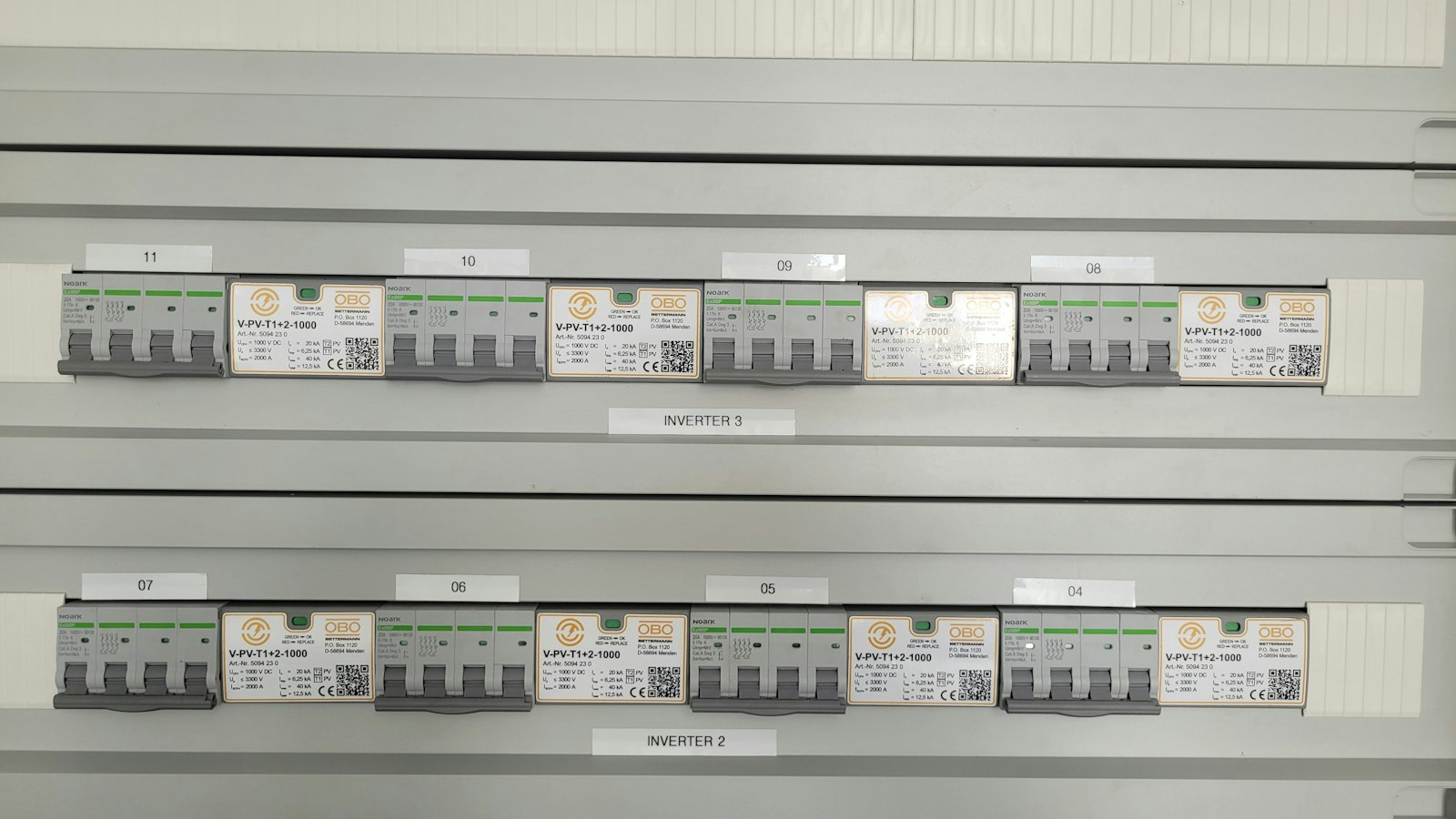
Stock photo: Sergio Martins on Unsplash. Illustrative surge protection equipment; not a Lynn Electric installation or a recommended product.


Need Help or have a Question?
Fill out the form and a service member will be in contact with you shortly.


