
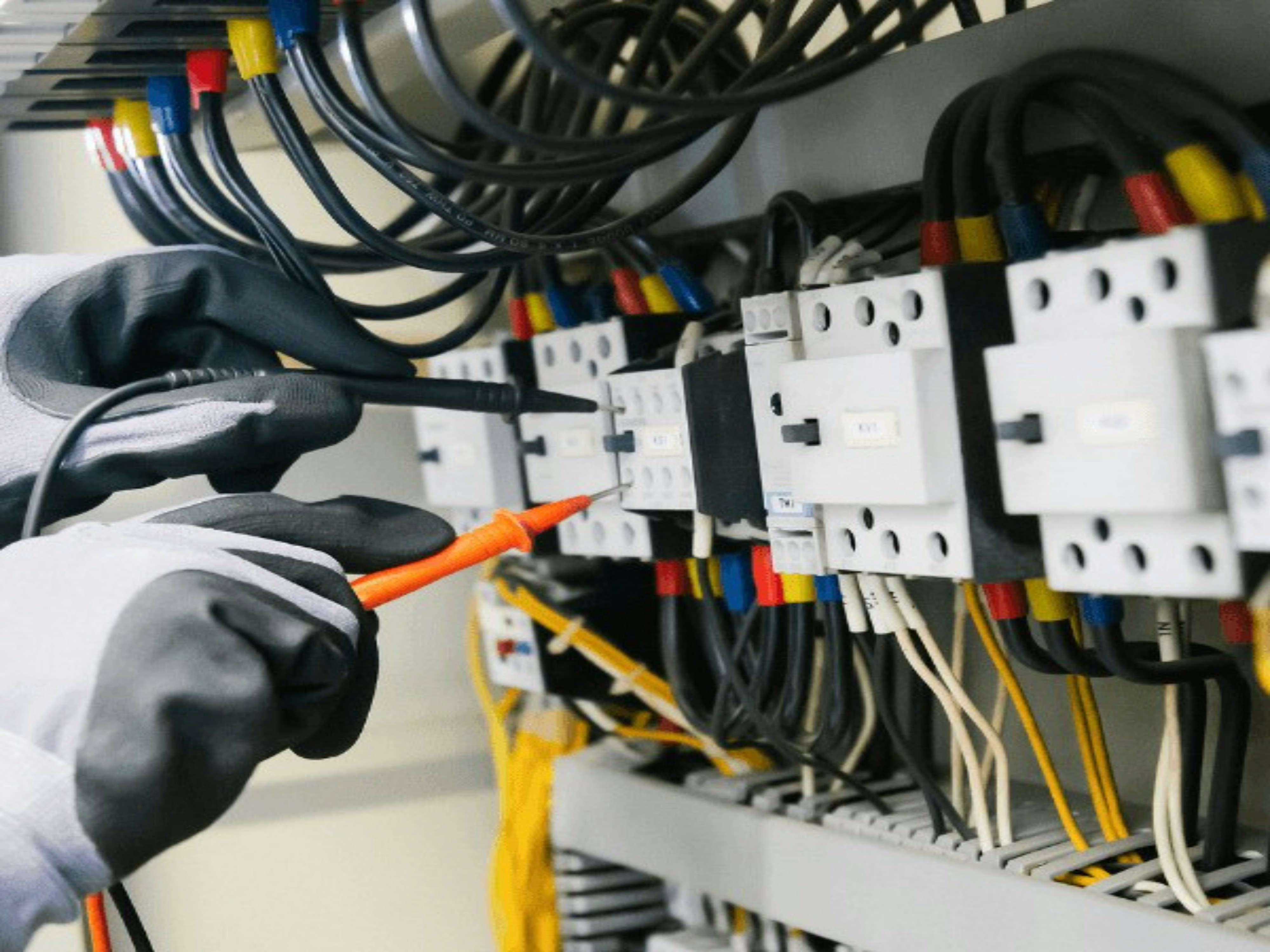
What to Expect During a Commercial Electrical Inspection
If you're buying a commercial property, renewing a lease, or preparing for a renovation permit, a commercial electrical inspection is likely on your checklist. Many business owners aren't sure what the process involves or how to prepare — which can lead to delays, surprise costs, and failed inspections.
Here's a straightforward breakdown of what happens and how to get the best outcome.
What a Commercial Electrical Inspection Covers
A licensed electrician performing a commercial inspection will typically examine:
The service entrance and main panel. This is where power enters the building. The inspector checks the condition of the meter base, service conductors, and main breaker, and verifies the panel's capacity matches the building's actual load.
Branch circuits and wiring. Every circuit feeding outlets, lighting, and equipment is checked for proper gauge, grounding, and protection. In older buildings, this is where aluminum wiring, knob-and-tube remnants, or undersized conductors often surface.
Outlets, switches, and devices. Arc-fault circuit interrupters (AFCIs) and ground-fault circuit interrupters (GFCIs) are required in specific commercial locations. The inspection verifies they're installed where code requires and that they function correctly.
Emergency and exit lighting. Commercial buildings must maintain functional emergency lighting and illuminated exit signs. These are tested as part of any thorough inspection.
Compliance with current code. Buildings aren't always required to meet the latest code unless there's been a change of use, major renovation, or specific permit trigger — but a good inspector will flag anything that poses a safety concern regardless.
How to Prepare
Before the inspection, make sure panel directories are labeled and accurate, all electrical rooms and panels are accessible, and any known issues have been disclosed or addressed. Trying to hide a problem rarely works and can create liability down the line.
After the Inspection
You'll receive a report detailing any deficiencies, typically categorized by severity. Some items are immediate safety concerns; others are noted for informational purposes. A good electrical contractor will walk you through the report, prioritize what needs attention first, and give you an honest estimate — not a list designed to upsell you.
Lynn Electric provides commercial electrical inspections for property owners, buyers, and tenants throughout the area. Our reports are clear, actionable, and designed to help you make informed decisions — not overwhelm you with jargon.
Frequently Asked Questions: Commercial Electrical Inspections
How long does a commercial electrical inspection take?
It depends on the size and complexity of the building. A small retail space or single-tenant office typically takes two to three hours. Larger multi-tenant buildings, warehouses, or properties with complex three-phase systems can take a full day or more. If you're on a deadline — closing on a property or pulling a permit — let your electrician know upfront so they can plan accordingly.
How much does a commercial electrical inspection cost?
Most commercial inspections fall between $300 and $800 for smaller properties, though larger or more complex buildings can run higher. The cost reflects the electrician's time, the scope of systems inspected, and whether a formal written report is included. Be cautious of unusually low quotes — a thorough inspection takes real time, and a cursory walk-through isn't worth much if it misses a serious deficiency.
Do I need an inspection if the building passed its last one?
Yes, if that inspection was more than a few years ago or if the building's use has changed. Electrical systems degrade over time, and what was compliant under an older code edition may not meet current standards after a renovation or change of occupancy. For properties you're buying or leasing, always get an independent inspection regardless of what the seller provides.
What's the difference between a municipal inspection and a private electrical inspection?
A municipal inspection is performed by your local authority having jurisdiction (AHJ) as part of the permit process — it verifies that specific permitted work was done to code. A private commercial electrical inspection, like what Lynn Electric performs, is a comprehensive assessment of the entire electrical system independent of any permit. They serve different purposes: municipal inspections sign off on individual jobs; private inspections give you a full picture of the system's condition and safety.
What happens if the inspection finds problems?
You'll receive a written report itemizing deficiencies by severity. From there, you have options: negotiate repairs into a purchase price, require the seller to correct issues before closing, budget for corrections as a new tenant, or prioritize the most critical items first if you already own the building. A good electrician gives you honest guidance on what's urgent and what can wait — not a list padded to maximize billable work.
Can the same electrician who inspects the building do the repair work?
Yes, and there are practical advantages to it — they already understand the system intimately. That said, you're never obligated to use the same contractor for repairs. If you want a second opinion on scope or pricing, get one. A reputable inspector won't pressure you, and the inspection report belongs to you regardless of who does the follow-up work.
Is a commercial electrical inspection required by law?
Not in all situations, but it's often triggered by specific events: a change of occupancy, a major renovation, a certificate of occupancy application, or certain insurance requirements. Even when it's not legally required, it's strongly advisable before signing a long-term lease or purchasing a commercial property. Discovering a $20,000 service upgrade is needed after you've taken possession is a much harder conversation than before.
.jpg)

Need Help or have a Question?
Fill out the form and a service member will be in contact with you shortly.


