
Electrical Safety Inspection Kansas City: What Gets Checked and Why It Matters
August 8, 2026
Electrical Safety Inspection Kansas City: What Gets Checked and Why It Matters
An electrical safety inspection catches problems before they become emergencies, and for a lot of Kansas City properties, especially older homes and buildings that haven't been checked in years, that early catch matters more than people realize. Understanding what an inspection actually covers helps you know when to schedule one and what to expect from the visit.
When a Safety Inspection Makes Sense
A few situations make a safety inspection worth scheduling proactively rather than waiting for a problem to appear. Buying or selling a home, since inspections often reveal issues that affect negotiations or need addressing before closing. A home or building that hasn't had electrical work done in over a decade. After a renovation or addition, to confirm everything meets current code. And simply as routine maintenance for older properties, even without an obvious symptom.
What Gets Checked During an Inspection
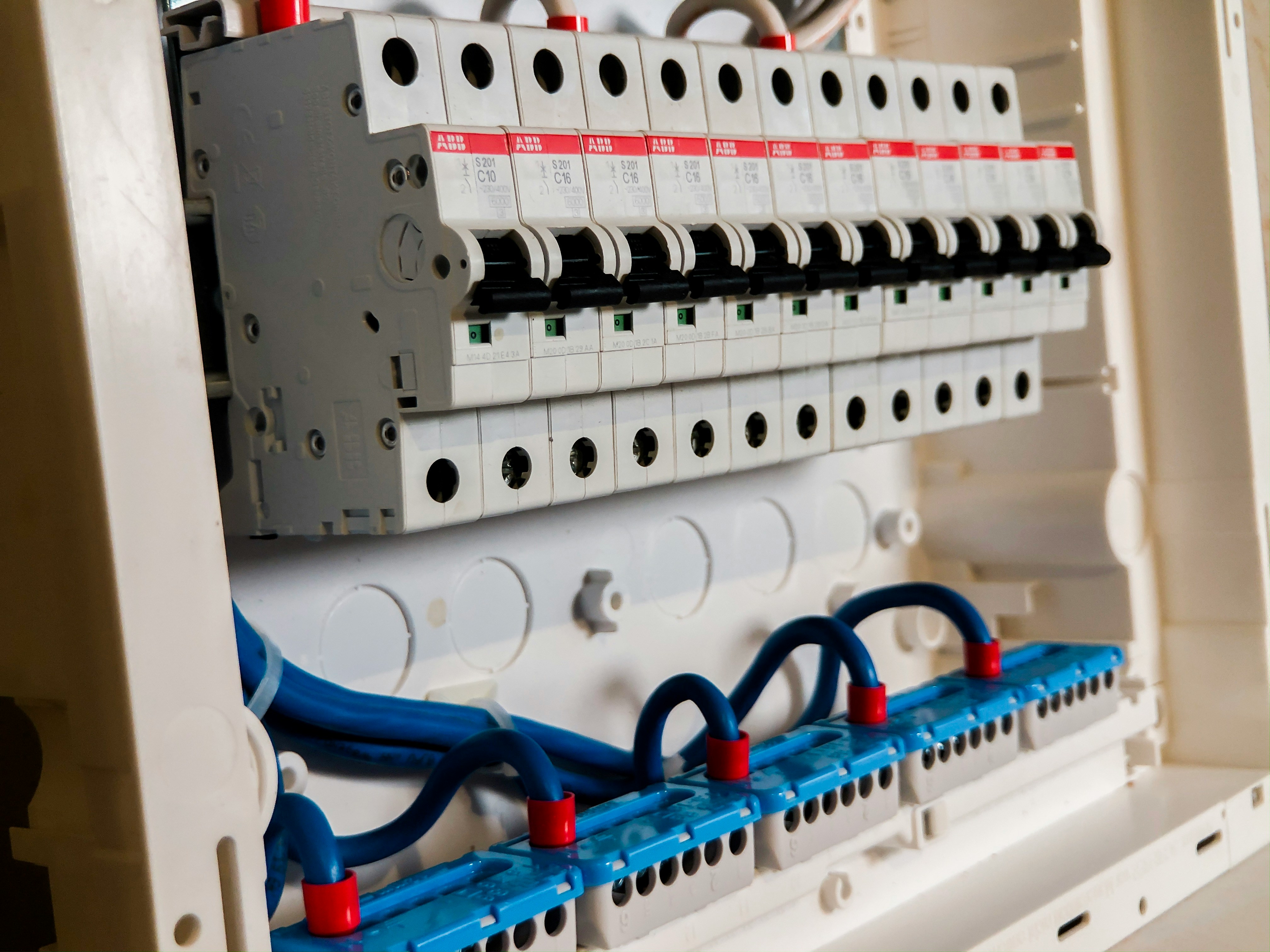
A thorough electrical safety inspection covers considerably more than a quick glance at the panel. It typically includes panel condition and capacity, checking for signs of overheating, corrosion, or outdated components. Outlet and switch functionality throughout the property, including GFCI protection in required areas like kitchens and bathrooms. Wiring condition, particularly in older homes where original wiring may not meet current safety standards. And grounding verification, confirming the electrical system is properly grounded throughout.
Why Older Kansas City Properties Benefit Most
Homes and buildings constructed decades ago often have electrical systems that were perfectly adequate when installed but haven't kept pace with current usage or code requirements. An inspection surfaces these gaps clearly, rather than waiting for a breaker trip or worse to reveal the issue.
Common Issues Inspections Uncover
A few findings show up repeatedly during safety inspections. Panels that are undersized or outdated for current electrical demand, which often points toward needing panel replacement. Missing GFCI protection in areas where it's now required by code, even though it wasn't when the property was originally built. And outlets or switches showing early signs of wear that haven't yet caused a noticeable problem, like flickering lights or a GFCI outlet nearing the end of its functional life.
Why Inspections Matter Even Without an Obvious Problem
A lot of electrical issues develop gradually and don't cause a noticeable symptom until they've become a real hazard. An inspection catches the kind of wear and aging components that wouldn't otherwise trigger a service call until something actually failed, which is a big part of why understanding what happens during a standard electrical repair service call looks so different from a proactive inspection.
What Happens After the Inspection
Following the inspection, you should receive a clear summary of any issues found, along with recommendations prioritized by urgency. Not every finding requires immediate action, some are worth monitoring, while others, like exposed wiring or an overloaded panel, warrant prompt attention, sometimes escalating to a genuine electrical emergency if left unaddressed for too long.
Commercial Safety Inspections Have Their Own Requirements
Businesses often face specific inspection requirements tied to occupancy type and insurance policies. Understanding what commercial electricians handle helps clarify how commercial inspection scope and frequency differ from a standard residential safety check.
Frequently Asked Questions
How often should a property get an electrical safety inspection?
Every few years is a reasonable baseline for most properties, with more frequent checks recommended for older homes or buildings with a history of electrical issues.
Does a safety inspection take long?
Most residential inspections take one to two hours, depending on the size of the property and how thoroughly the wiring and outlets are checked.
Will an inspection find every possible electrical issue?
A thorough inspection catches most significant issues, though some problems inside walls or otherwise inaccessible areas may not be visible without more invasive investigation.
Is an electrical safety inspection required when selling a home?
It's not always legally required, but many buyers request one, and addressing issues proactively can prevent complications during the sale process.
Contact Lynn Electric
Lynn Electric provides thorough electrical safety inspections across the Kansas City metro, whether you're buying, selling, or just want peace of mind about an older property.
Contact Lynn Electric today to schedule a safety inspection.
.jpg)

Need Help or have a Question?
Fill out the form and a service member will be in contact with you shortly.


