
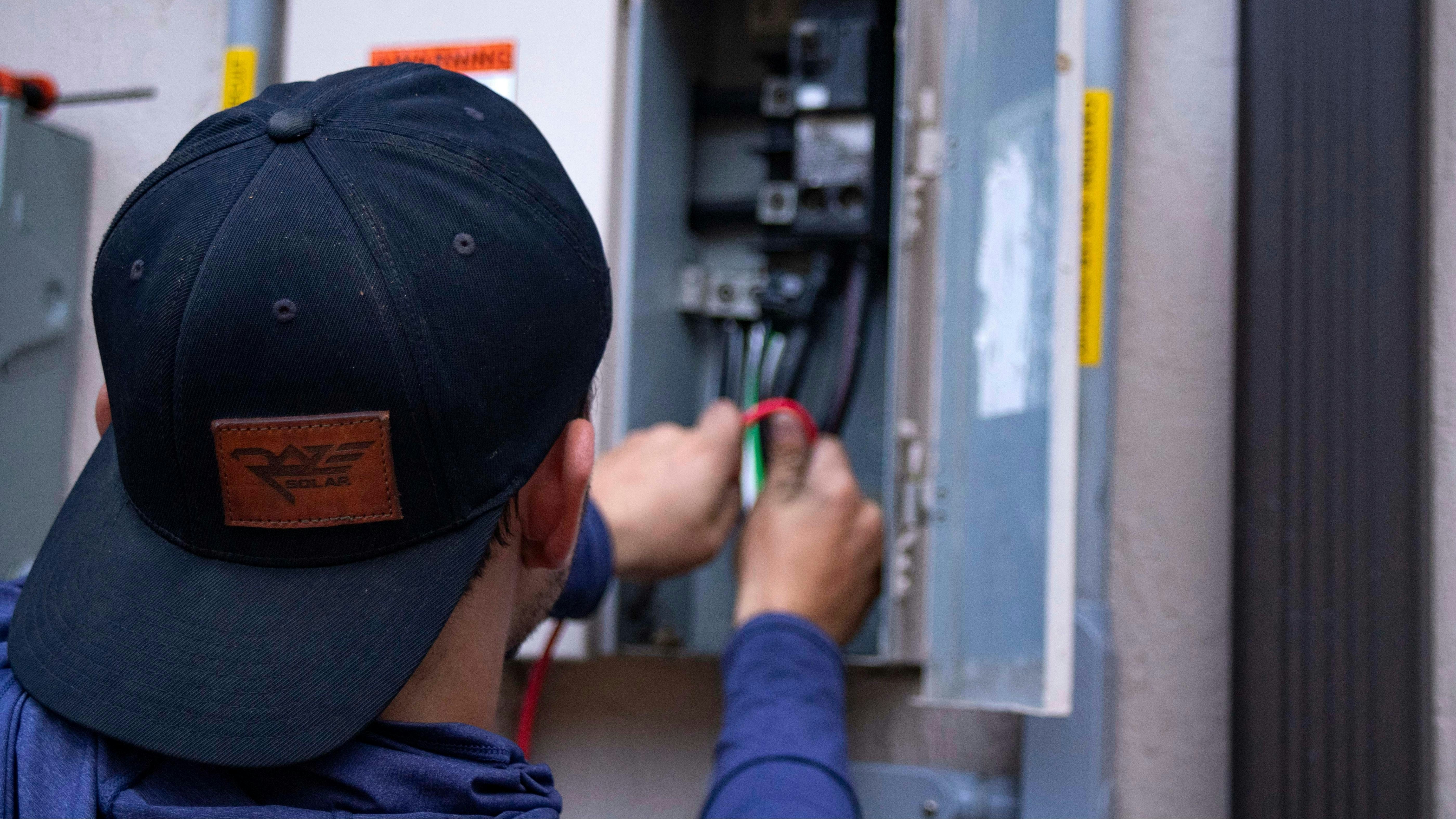
House Rewiring Guide: When, Why, and How to Upgrade Your Home’s Wiring
House Rewiring: Everything Homeowners Need to Know
Electrical wiring is something most homeowners never think about—until problems start appearing. From flickering lights to power failures, outdated wiring can create serious risks.
Rewiring your home may sound like a major project, but it’s often necessary for safety and efficiency.
What Is House Rewiring?
Rewiring involves replacing old or damaged electrical wiring throughout your home. This ensures your system can safely handle modern electrical loads.
Why Older Homes Need Rewiring
Homes built decades ago weren’t designed for today’s energy demands. Think about it—older homes didn’t account for:
- Multiple TVs and computers
- Air conditioning systems
- Smart home devices
- High-powered kitchen appliances
This mismatch creates strain on outdated wiring systems.
Warning Signs Your Home Needs Rewiring
1. Frequent Electrical Issues
Recurring problems indicate deeper wiring faults.
2. Burning Smell or Sparks
This is a serious warning sign of dangerous wiring.
3. Outdated Wiring Types
Older wiring materials degrade over time.
4. Discolored Outlets or Switches
Heat damage can indicate overloaded wiring.
5. Lack of Grounding
Ungrounded systems are unsafe and outdated.
Benefits of Rewiring Your Home
Enhanced Safety
Reduces the risk of electrical fires and shocks.
Reliable Power Supply
Eliminates interruptions and inconsistencies.
Increased Efficiency
Modern wiring supports energy-efficient systems.
Future-Proofing
Prepares your home for new technology and appliances.
What to Expect During Rewiring
Rewiring is a detailed process that includes:
- Removing old wiring
- Installing new circuits
- Updating outlets and switches
- Testing the entire system
It may require temporary access to walls and ceilings.
How Long Does It Take?
Depending on the size of your home, rewiring can take several days to a couple of weeks.
Is It Worth the Investment?
Absolutely. Rewiring not only improves safety but also increases your home’s value and reduces long-term maintenance costs.
Final Thoughts
If your home shows signs of outdated wiring, don’t ignore them. Rewiring is a long-term solution that ensures safety, reliability, and peace of mind.



Need Help or have a Question?
Fill out the form and a service member will be in contact with you shortly.


