
Generator Installation Kansas City: What to Know Before You Buy
August 5, 2026
Generator Installation Kansas City: What to Know Before You Buy
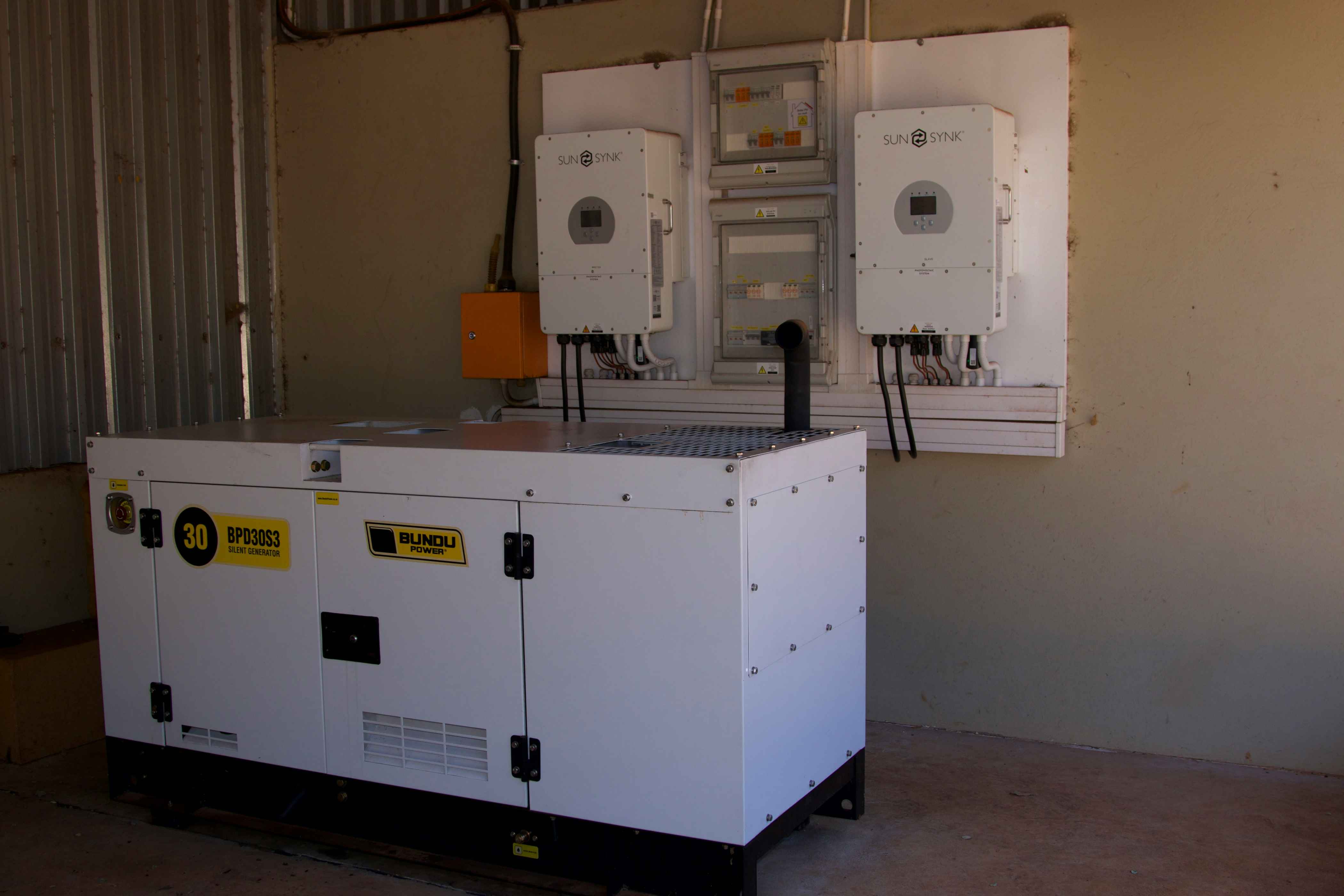
Kansas City's weather is reason enough on its own to consider a backup generator, but not every generator or installation approach fits every home or business. Understanding what goes into a proper generator installation, and what actually determines the right size and setup for your property, helps you avoid an expensive mismatch before the work even begins.
Why Generator Installation Isn't a One-Size-Fits-All Job
A generator installation involves more than just placing a unit in the yard and connecting it. Proper installation includes correctly sizing the generator to your actual electrical load, installing a transfer switch to safely disconnect from grid power during an outage, running dedicated wiring and connections that meet current code, and placing the unit according to manufacturer and local safety requirements.
Standby vs. Portable Generators
Standby generators are permanently installed, connect directly to your home or business's electrical system, and activate automatically during an outage. Portable generators require manual setup and typically only power a limited number of circuits at a time. For homes and businesses that experience frequent outages or rely on continuous power for medical equipment, refrigeration, or business operations, a properly installed standby generator is usually the more reliable long-term option.
Why Correct Sizing Matters So Much
An undersized generator won't power everything you actually need during an outage, while an oversized one means paying for capacity you'll never use. A proper load calculation, accounting for your home or business's actual electrical demand, determines the right generator size, which is why this step shouldn't be skipped in favor of a rough estimate.
The Role of the Transfer Switch
A transfer switch is what safely separates your property from the grid during an outage, preventing dangerous backfeed into utility lines. This component is just as important as the generator itself, and improper installation here creates real safety risks, both for your property and for utility workers in the area.
Why Professional Installation Matters
Generator installation involves electrical work that needs to meet current code, not just manufacturer instructions. A licensed electrician ensures the transfer switch, wiring, and connections are installed correctly and safely, which matters both for your safety and for any warranty coverage tied to the equipment itself.
Generators for Commercial Properties
Businesses often have higher stakes tied to power loss, refrigeration, security systems, and equipment that can't simply go offline during an outage. Commercial generator installation typically requires more detailed load calculations and often larger capacity units than residential installations, along with the same code compliance considerations that apply to broader commercial electrical work in general.
Why Power Outages Are a Bigger Deal Than People Expect
An outage isn't just an inconvenience. Depending on the season, it can affect heating, cooling, and refrigeration fast. If you're trying to figure out whether an outage is a wider grid issue or something isolated to your property, it's worth understanding how to tell the difference, since a generator won't help if the actual issue is inside your electrical system rather than the power supply itself.
Getting an Accurate Installation Quote
Generator installation quotes should account for the unit cost, transfer switch, wiring, and any permitting required. Understanding what a proper electrician quote should include helps you compare installation estimates accurately rather than being surprised by add-on costs later.
Frequently Asked Questions
How long does generator installation typically take?
Most residential installations take one to two days, depending on the complexity of the electrical work and whether a permit inspection is required.
Do I need a permit for generator installation in Kansas City?
In most cases, yes. Permit requirements vary by municipality, so it's worth confirming with your electrician before installation begins.
What size generator do I actually need?
This depends on your home or business's specific electrical load, which is why a proper load calculation, not a rough guess, should determine the right size.
Can I install a standby generator myself?
No. Standby generator installation involves electrical work, including the transfer switch, that should only be done by a licensed electrician to meet code and safety requirements.
Contact Lynn Electric
Lynn Electric provides professional generator installation for homes and businesses across the Kansas City area, from initial load calculations through final setup.
Contact Lynn Electric today for a generator installation quote.



Need Help or have a Question?
Fill out the form and a service member will be in contact with you shortly.


