

Electrician for Flickering Lights: Why Older Homes Experience More Electrical Issues
June 16, 2026
Older homes offer charm, character, and craftsmanship that many homeowners love. However, behind the walls of these properties often lies an aging electrical system that may struggle to meet today's power demands. One of the most common warning signs homeowners notice is flickering lights.
While occasional flickering can be caused by a simple issue, recurring flickering lights in older homes often indicate deeper electrical problems. Understanding why these issues occur can help homeowners protect their property, improve safety, and avoid costly repairs. If you're experiencing persistent lighting problems, contacting an electrician for flickering lights is the best way to identify and resolve the cause.
The Challenges of Aging Electrical Systems
Many older homes were built long before modern electrical appliances became common. Electrical systems that were once sufficient for basic lighting and a few household devices are now expected to power computers, televisions, HVAC systems, kitchen appliances, and electric vehicle chargers.
As electrical systems age, components naturally wear down. Wiring insulation deteriorates, connections loosen, and electrical panels become outdated. These factors can all contribute to flickering lights and other electrical issues.
Outdated Wiring Materials
One reason older homes experience more electrical problems is the presence of outdated wiring materials. Depending on the age of the home, wiring may no longer meet current electrical standards.
Older wiring systems may include:
- Cloth-insulated wiring
- Aluminum wiring
- Aging copper wiring
- Obsolete electrical connections
Over time, these materials can degrade and create inconsistent electrical flow. This often results in lights that flicker, dim, or behave unpredictably.
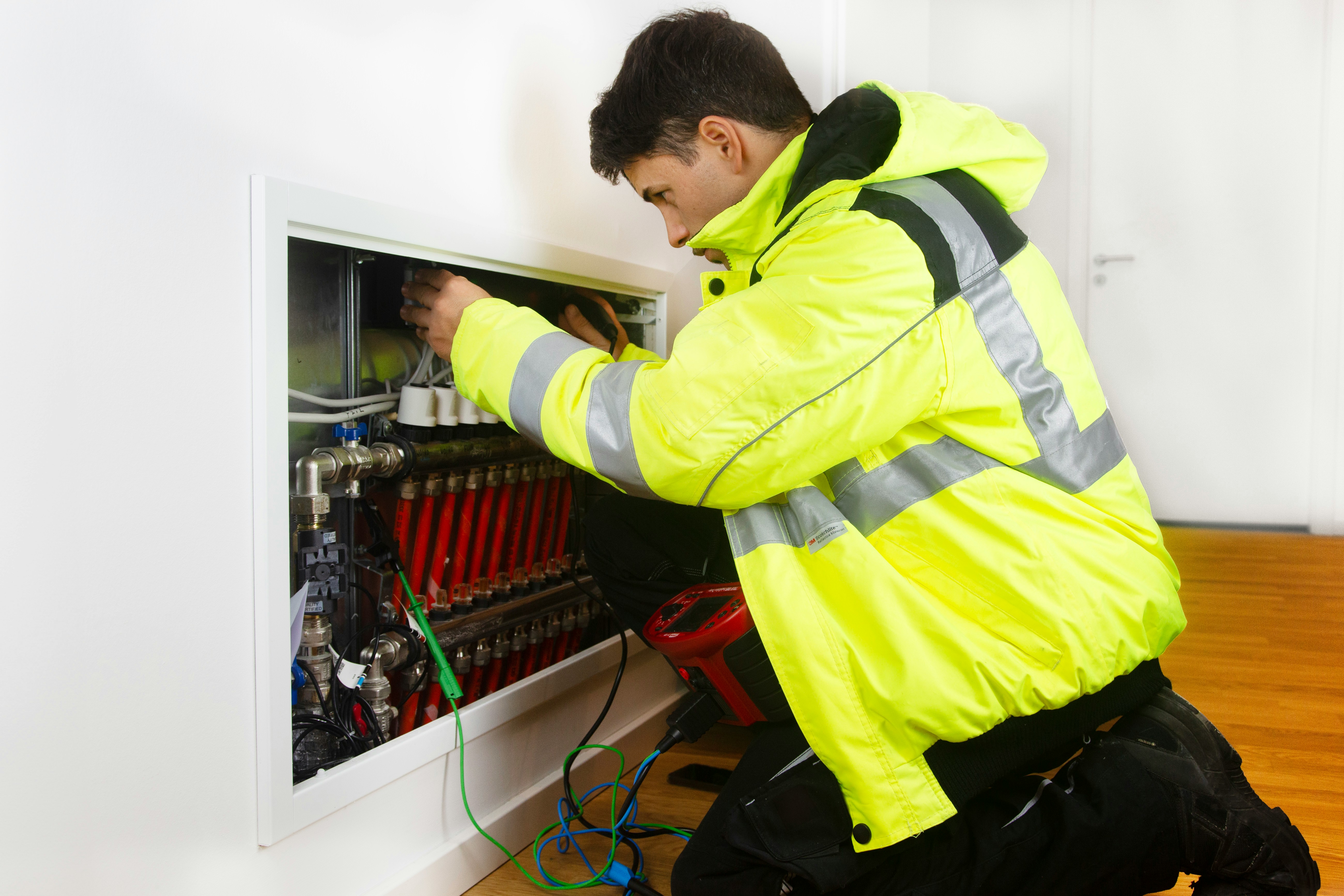
A licensed electrician can inspect older wiring systems and determine whether repairs or upgrades are necessary.
Loose Connections Develop Over Time
Electrical connections naturally loosen as homes age. Years of temperature changes, vibration, and normal use can cause wiring connections to weaken.
Loose connections are one of the leading causes of flickering lights in older homes because they interrupt the steady flow of electricity. In addition to causing lighting problems, loose connections can generate excessive heat and increase fire risks.
Common symptoms include:
- Lights that flicker randomly
- Outlets that feel warm
- Buzzing sounds from switches
- Intermittent power loss
Professional electrical inspections can identify and correct these issues before they become more serious.
Older Electrical Panels May Be Overloaded
Many older homes were built with electrical panels designed for significantly lower power usage than what households require today.
When homeowners add new appliances, home offices, entertainment systems, or smart home devices, the electrical demand increases dramatically. Older panels may struggle to distribute power efficiently, leading to voltage fluctuations and flickering lights.
Signs that an electrical panel may be overloaded include:
- Lights dimming when appliances turn on
- Frequent breaker trips
- Flickering lights throughout the house
- Limited available breaker space
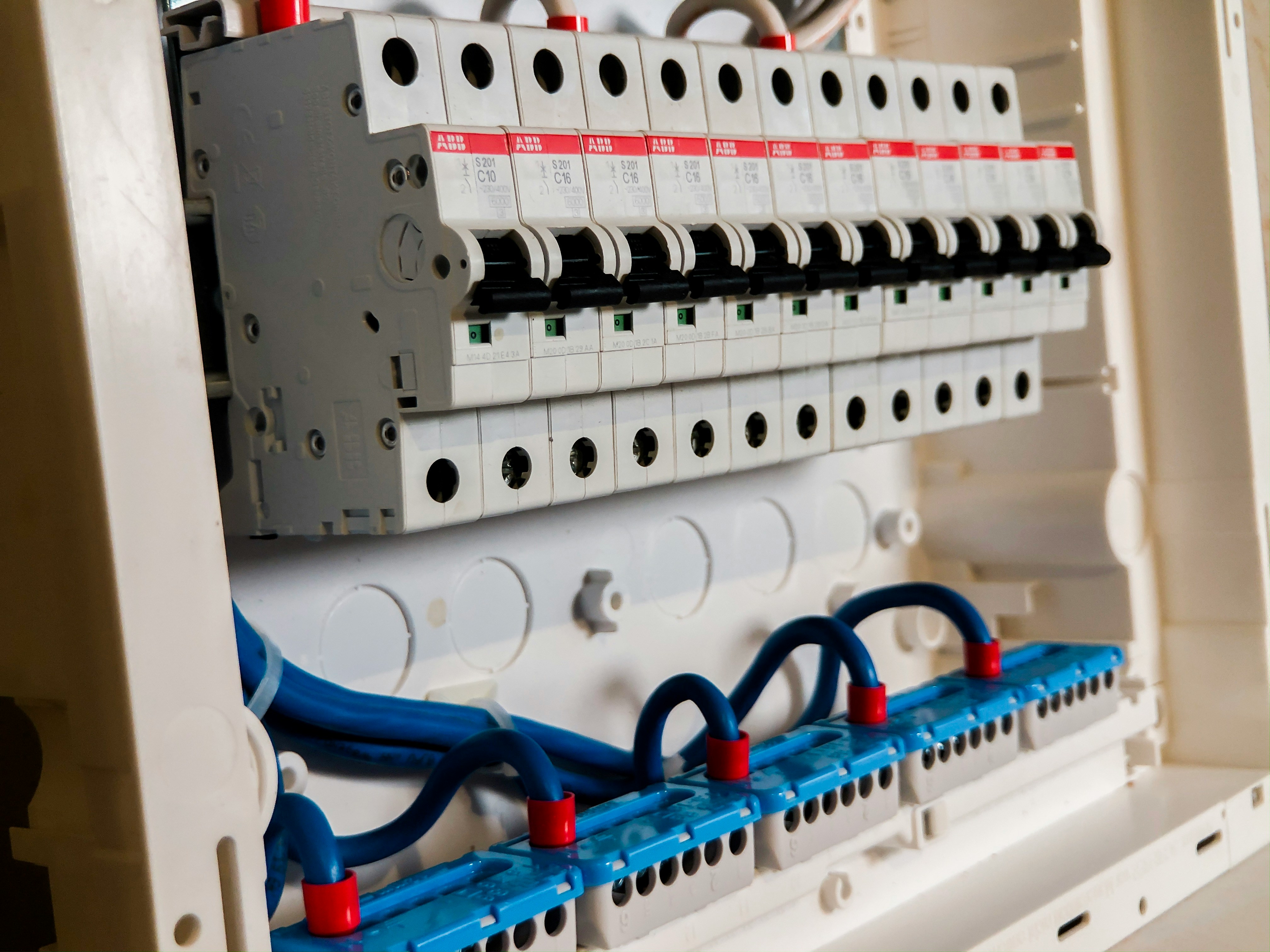
An electrician for flickering lights can evaluate whether a panel upgrade would improve electrical performance and safety.
Increased Demand From Modern Appliances
The average household today consumes far more electricity than households did several decades ago. Even if an older electrical system appears to function normally, it may be operating near its maximum capacity.
High-demand appliances such as:
- Air conditioners
- Refrigerators
- Electric ovens
- Laundry equipment
- Electric vehicle chargers
can place significant strain on older circuits. When these devices start running, voltage fluctuations may occur, causing lights to flicker temporarily.
Electrical upgrades can help distribute power more effectively and prevent overload conditions.
Aging Light Fixtures and Switches
Sometimes the issue is not hidden behind the walls but located directly at the fixture or switch itself. Components wear out over time and may begin to fail after years of use.
Older fixtures can develop:
- Loose socket connections
- Corroded terminals
- Worn switches
- Faulty dimmers
- Damaged internal wiring
Replacing outdated fixtures and switches often resolves localized flickering issues while improving overall reliability.
Safety Concerns in Older Homes
Flickering lights should never be ignored in an older home. What appears to be a minor inconvenience may actually signal a larger electrical problem.
Potential risks associated with aging electrical systems include:
- Electrical fires
- Damaged appliances
- Circuit overloads
- Power interruptions
- Shock hazards
Regular inspections help identify these risks early and provide homeowners with practical solutions to improve safety.
When to Call an Electrician for Flickering Lights
You should schedule a professional electrical inspection if:
- Your home is more than 20 years old
- Flickering occurs frequently
- Multiple lights are affected
- Breakers trip regularly
- Outlets or switches become warm
- You notice burning odors or buzzing sounds
An experienced electrician can determine whether the issue is related to wiring, circuits, fixtures, the electrical panel, or another component of the system.
Conclusion
Older homes often face unique electrical challenges due to aging wiring, outdated panels, loose connections, and increased power demands. While flickering lights may seem like a minor annoyance, they are frequently one of the first signs that an electrical system needs professional attention.
If your older home is experiencing persistent lighting issues, the team at Lynn Electric can perform a comprehensive inspection and recommend the right solutions for your property. Addressing flickering lights early can improve safety, increase reliability, and help ensure your electrical system is prepared for the demands of modern living.
.jpg)

Need Help or have a Question?
Fill out the form and a service member will be in contact with you shortly.


