
.jpg)
Electrician for Flickering Lights: Protecting Your Home From Electrical Fire Risks
June 10, 2026
Many homeowners dismiss flickering lights as a minor inconvenience, assuming the issue is caused by a loose bulb or an aging light fixture. While that may occasionally be true, persistent flickering lights can also be a warning sign of serious electrical problems. In some cases, these issues can increase the risk of electrical fires if left unresolved.
Understanding the connection between flickering lights and electrical safety can help homeowners take action before a small problem turns into a dangerous situation. Hiring an electrician for flickering lights is one of the most effective ways to identify hidden hazards and protect your home.
Why Flickering Lights Should Never Be Ignored
Electricity should flow consistently throughout your home's electrical system. When lights flicker, it often means there is an interruption or fluctuation in that flow of power. These fluctuations can be caused by loose connections, damaged wiring, overloaded circuits, or electrical panel issues.
While some causes are relatively minor, others can create excessive heat inside walls, outlets, and electrical equipment. Heat buildup is one of the leading causes of residential electrical fires.
The longer these problems remain unresolved, the greater the risk becomes.
Loose Electrical Connections: A Major Fire Hazard
One of the most common causes of flickering lights is a loose electrical connection. Wires can loosen over time due to age, vibration, temperature changes, or improper installation.
When electrical current passes through a loose connection, it creates resistance. This resistance generates heat that can damage surrounding materials and potentially ignite nearby combustible surfaces.
Signs of loose wiring may include:
- Flickering or dimming lights
- Warm outlets or switches
- Buzzing sounds from electrical devices
- Burning odors
- Intermittent power loss
An electrician can inspect the affected circuits and secure any loose connections before they become a serious safety concern.
Damaged Wiring Can Lead to Dangerous Conditions
Electrical wiring naturally deteriorates over time, especially in older homes. Damaged insulation, worn conductors, or rodent-related wire damage can expose electrical components and create unsafe conditions.
Common warning signs of damaged wiring include:
- Frequent light flickering
- Sparking outlets
- Breakers that trip repeatedly
- Discolored wall plates
- Unexplained power interruptions
If damaged wiring is discovered during an inspection, professional repairs can prevent overheating and reduce the risk of electrical fires.
Overloaded Circuits Put Stress on Your Electrical System
Today's homes use significantly more electricity than homes built decades ago. Large appliances, home offices, entertainment systems, and electric vehicle chargers all place additional demands on electrical circuits.
When circuits become overloaded, lights often flicker as voltage fluctuates. Overloaded circuits can also overheat wiring and electrical components.
An electrician for flickering lights can determine whether your home's electrical system is adequately sized for your current power needs and recommend upgrades when necessary.
Electrical Panel Problems and Fire Risks
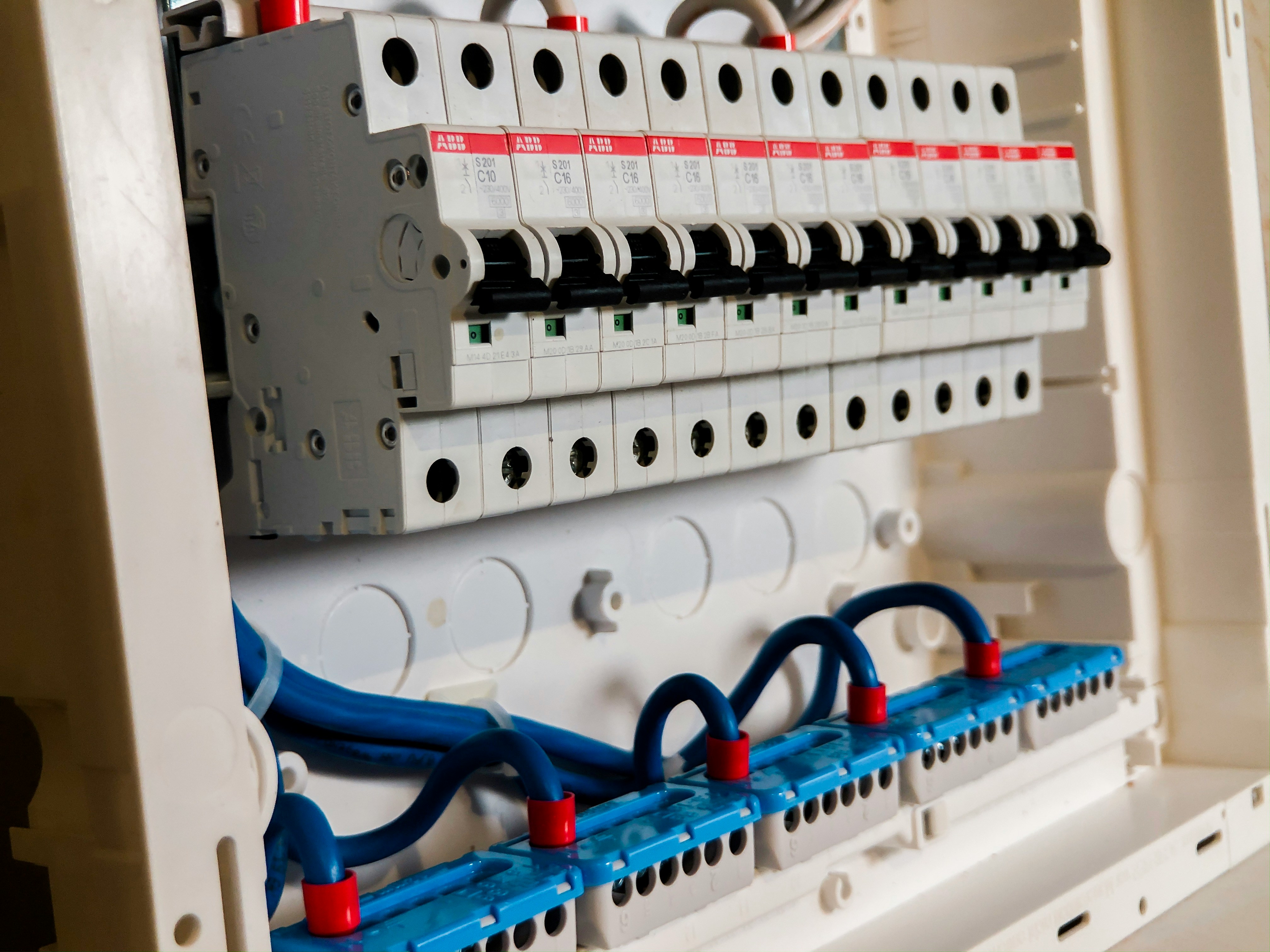
Your electrical panel distributes power throughout the home and serves as the first line of defense against electrical overloads. If breakers become worn or connections inside the panel loosen, flickering lights may occur throughout multiple areas of the home.
Potential panel-related warning signs include:
- Flickering lights in several rooms
- Frequent breaker trips
- Buzzing noises from the panel
- Burning smells near electrical equipment
- Warm panel surfaces
Older electrical panels may also lack the safety features found in modern systems. Upgrading an outdated panel can improve both performance and safety.
Warning Signs That Require Immediate Attention
Some electrical issues should never be ignored. Contact an electrician immediately if you notice:
- Burning smells near outlets or switches
- Sparks when plugging in devices
- Frequent circuit breaker trips
- Warm or discolored outlets
- Lights flickering throughout the entire home
- Crackling or buzzing sounds from electrical equipment
These symptoms may indicate serious electrical faults that require prompt professional repairs.
How Professional Electrical Inspections Improve Safety
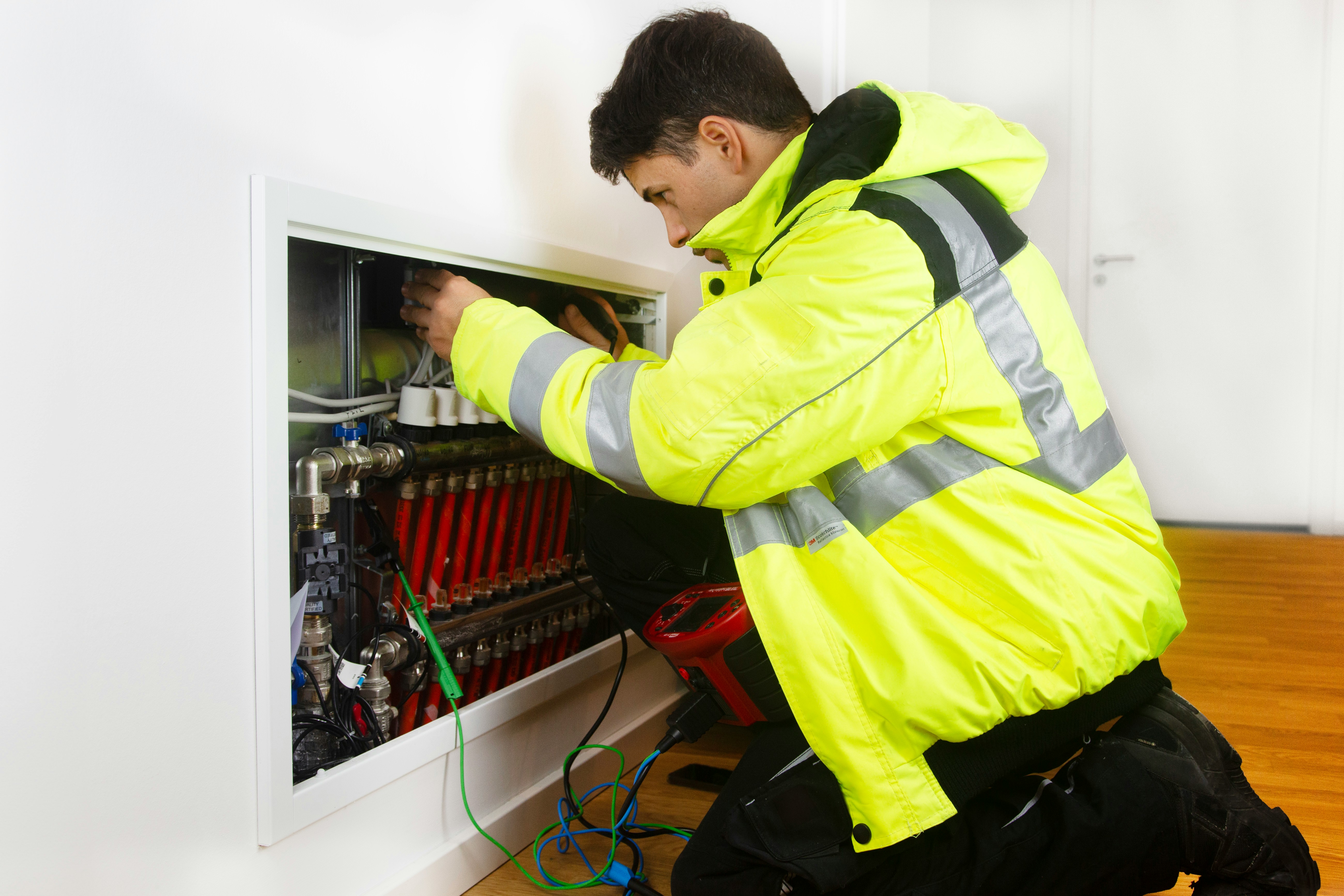
When homeowners call an electrician for flickering lights, the inspection process goes far beyond checking light bulbs. A licensed electrician evaluates the entire electrical system to identify potential hazards.
Inspections may include:
- Testing voltage levels
- Examining wiring connections
- Checking outlets and switches
- Inspecting the electrical panel
- Evaluating circuit loads
- Looking for signs of overheating
Identifying problems early can prevent costly damage and significantly reduce fire risks.
Preventative Maintenance Helps Avoid Electrical Emergencies
Regular electrical inspections are one of the best ways to keep your home's electrical system operating safely. Preventative maintenance allows electricians to identify worn components before they fail and correct small issues before they become dangerous.
Homeowners should consider scheduling an electrical inspection if:
- The home is more than 20 years old
- Lights frequently flicker
- Major appliances have been added recently
- The electrical panel is outdated
- Renovations are planned
Proactive maintenance often saves money while improving safety and reliability.
Conclusion
Flickering lights are more than a nuisance—they can be an early warning sign of electrical problems that increase the risk of fire. Loose connections, damaged wiring, overloaded circuits, and aging electrical panels can all contribute to dangerous conditions if left untreated.
If your lights continue to flicker, don't assume the problem will go away on its own. The experienced team at Lynn Electric can identify the source of the issue, make necessary repairs, and help ensure your home's electrical system remains safe and dependable. Addressing electrical concerns early is one of the best investments you can make in protecting your home and your family.
.jpg)

Need Help or have a Question?
Fill out the form and a service member will be in contact with you shortly.


