
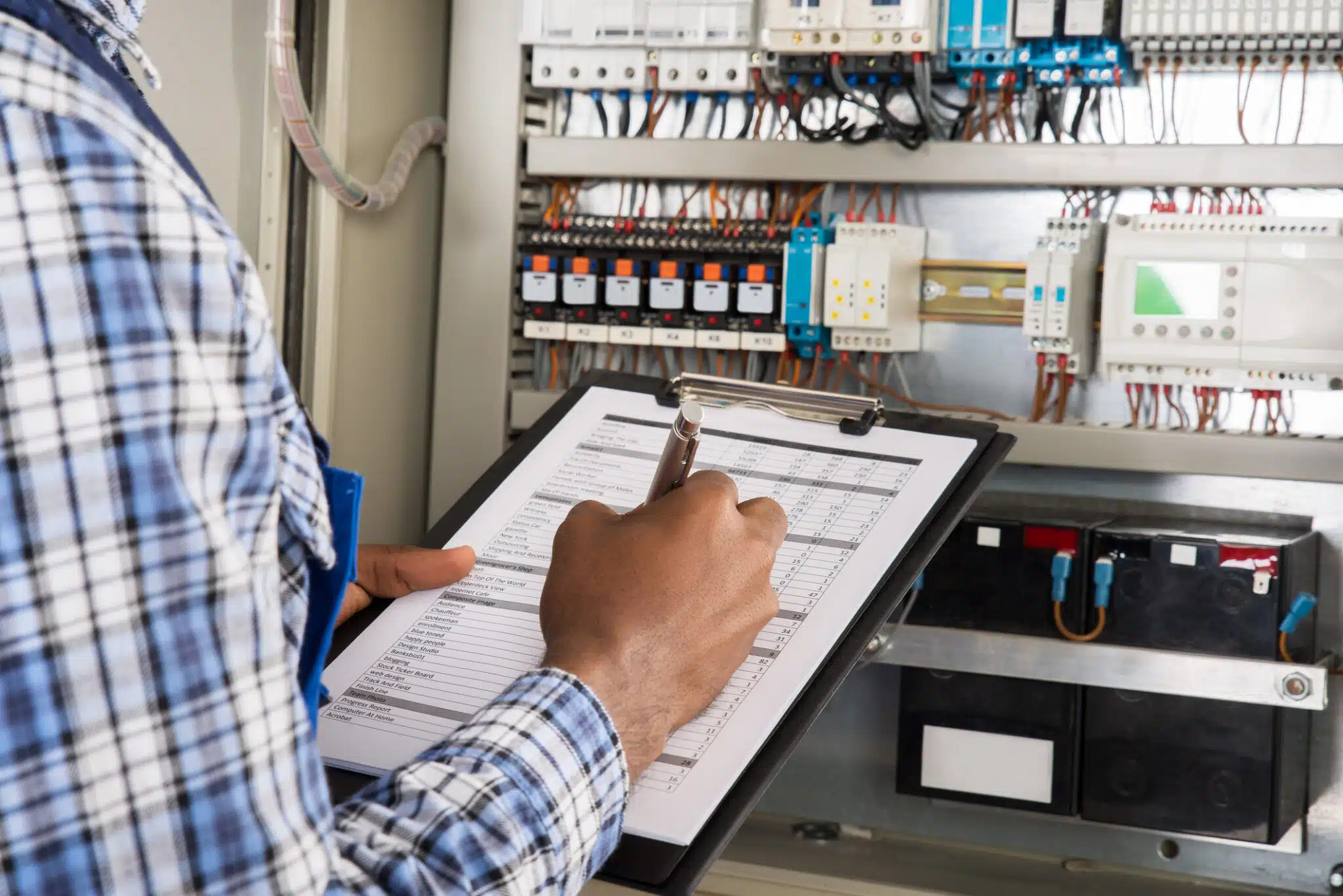
What Happens During a Commercial Electrical Inspection? A Step-by-Step Guide
January 5, 2026
Commercial electrical inspections are critical for safety, compliance, and long-term reliability. Whether you manage an office building, warehouse, retail space, or industrial facility, understanding the inspection process helps you plan ahead and avoid costly surprises.
At Lynn Electric, commercial inspections are designed to identify risks early, improve system performance, and keep businesses operational.
Step 1: Initial Walkthrough & System Overview
The inspection begins with a walkthrough of the facility. The electrician reviews:
- Building size and usage
- Type of electrical loads (office equipment, machinery, lighting)
- Past electrical issues or expansions
This step establishes context and helps identify areas that require closer attention.
Step 2: Electrical Panel & Distribution Review
Electrical panels are the backbone of any commercial system. During this phase, inspectors check:
- Panel capacity and labeling accuracy
- Signs of overheating, corrosion, or wear
- Breaker sizing and load distribution
Improperly loaded or outdated panels are a leading cause of electrical failures in commercial buildings.
Step 3: Wiring, Conduit & Connections
Inspectors examine visible wiring and conduit systems to ensure:
- Code compliance
- Proper grounding and bonding
- No exposed or damaged conductors
Loose connections and aging wiring are common risks in older commercial properties.
Step 4: Safety Systems & Code Compliance
This step focuses on life-safety elements, including:
- GFCI and AFCI protection where required
- Emergency and exit lighting
- Compliance with local and national electrical codes
Any violations or safety concerns are documented for corrective action.
Step 5: Load Testing & Power Quality Checks
For facilities with heavy or sensitive equipment, inspectors may evaluate:
- Load balance across phases
- Voltage stability
- Signs of power quality issues
This is especially important in manufacturing, healthcare, and data-driven environments.
Step 6: Documentation & Recommendations
After the inspection, you receive a clear report outlining:
- Existing issues
- Code concerns
- Recommended repairs or upgrades
This allows facility managers and owners to prioritize improvements and budget effectively.
Why Commercial Electrical Inspections Matter
Regular inspections help:
- Prevent unplanned downtime
- Reduce fire and safety risks
- Extend the lifespan of electrical systems
- Support insurance and compliance requirements
Proactive inspections cost far less than emergency repairs.


Need Help or have a Question?
Fill out the form and a service member will be in contact with you shortly.


